

 See My Latest Article on HelloNation
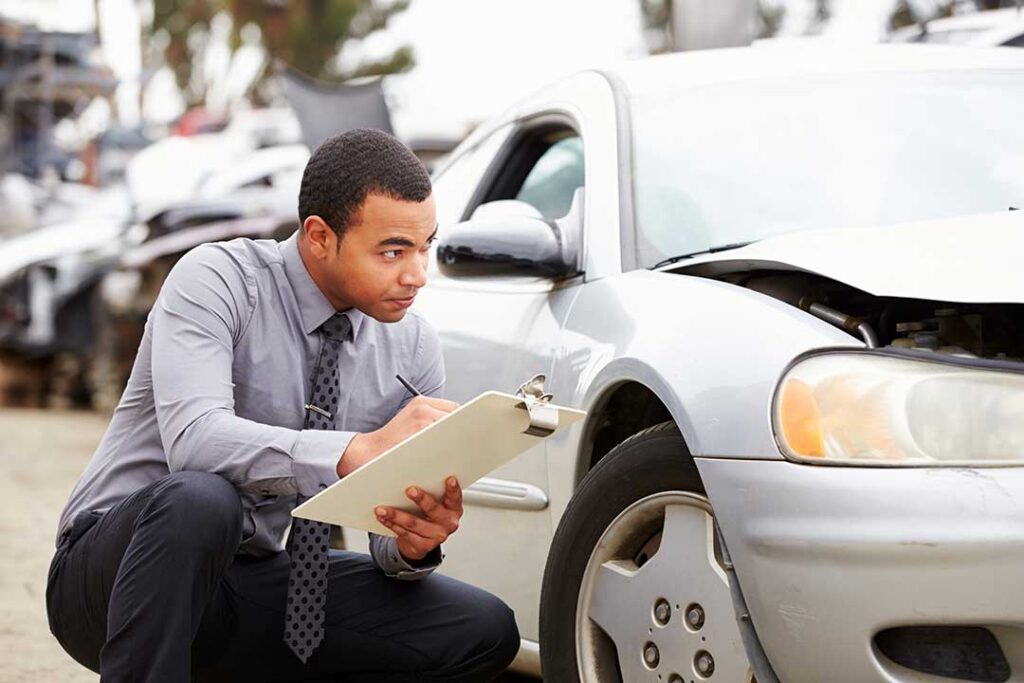
Why is weather damage a concern for vehicles in Kalispell?
Hail, heavy snow, freezing temperatures, strong wind, and falling branches can all damage vehicles in Kalispell. The risk is often seasonal, but weather-related losses can happen quickly during a single storm or temperature swing.
Hail may dent metal panels, crack glass, damage mirrors, and chip paint. Snow and ice can place stress on roofs, windshields, wiper arms, and exterior trim. Wind may push branches, debris, or unsecured objects into a parked vehicle. Freeze-thaw conditions can also worsen small cracks and allow moisture to reach vulnerable areas.
A vehicle does not have to be moving to suffer damage. Many weather-related claims involve cars parked at home, in a driveway, at work, or on the street.
What can drivers do before a storm?
The safest and most effective protection is to move the vehicle under a solid roof before severe weather arrives. A garage, covered parking area, or other enclosed structure can reduce exposure to hail, falling branches, snow, and ice.
If covered parking is not available, preparation still helps:
- Park away from trees with dead limbs, leaning trunks, or weak branches.
- Avoid areas where water collects during heavy rain or rapid snowmelt.
- Close windows, sunroofs, and convertible tops completely.
- Remove bicycles, tools, patio items, and other objects that could become airborne.
- Keep windshield-washer fluid rated for freezing conditions in the vehicle.
- Check that wiper blades are in good condition before winter weather begins.
- Clear snow from the roof and hood when practical, rather than allowing it to slide unexpectedly while driving.
A temporary vehicle cover may help with light precipitation and debris, but it is not a reliable substitute for a solid structure during hail or high winds. Covers can shift, trap moisture, or rub against the paint if they are loose or poorly fitted.
How should a vehicle be protected during hail?
If a hailstorm begins while driving, the priority is reaching a safe location without making sudden or dangerous maneuvers. If possible, pull into a covered area or a sturdy public structure. Avoid stopping beneath trees, utility lines, or unstable objects.
If no shelter is available, remain inside the vehicle with the doors and windows closed. Keep the seat belt fastened and avoid standing outside to place blankets or other coverings over the car while hail is falling. Large hail can cause serious injury, and slippery roads may create additional hazards.
Blankets, floor mats, or padded materials can sometimes reduce minor impacts when placed over a parked vehicle before a storm, but they cannot be expected to prevent all damage. They may also blow away or create hazards for nearby vehicles and pedestrians.
What winter habits reduce damage?
Snow and ice should be removed carefully. Use a soft snow brush and an appropriate ice scraper rather than sharp tools, household objects, or hot water. Hot water can cause rapid temperature changes that crack cold glass.
Do not force frozen doors, wipers, or mirrors. Pouring warm water over locks or glass can create more ice as temperatures fall. Instead, use vehicle-safe de-icing methods and allow time for frozen parts to loosen.
Before driving, clear all windows, mirrors, lights, roof surfaces, and license plates. Snow left on the roof can slide forward during braking or blow onto another driver’s windshield. Ice and packed snow can also fall from the vehicle while traveling, creating a hazard for people nearby.
Road treatment materials and wet slush can collect around wheel wells, lower doors, and undercarriages. Periodic rinsing can help remove residue, particularly when buildup is visible. Check the owner’s manual before using automated equipment or cleaning methods that may affect sensors, cameras, or specialty finishes.
Does auto insurance cover hail and weather damage?
Hail and other falling-object damage are generally associated with comprehensive coverage, which is optional for many vehicles unless required by a lender or lease agreement. Comprehensive coverage is separate from collision coverage. Collision generally addresses damage caused by impact with another vehicle or object while driving, while comprehensive coverage commonly addresses events such as hail, theft, fire, vandalism, falling objects, and certain weather-related losses.
Coverage depends on the policy, exclusions, deductible, and specific circumstances. A deductible is the amount paid by the policyholder before covered insurance benefits apply. If repair costs are close to or below the deductible, filing a claim may not produce a payment.
Drivers should review their policy before storm season to confirm:
- Whether comprehensive coverage is included
- The applicable deductible
- Whether glass damage is treated differently from other damage
- How the policy addresses aftermarket equipment or custom features
- Whether temporary transportation coverage applies after a covered loss
- What documentation is expected after damage occurs
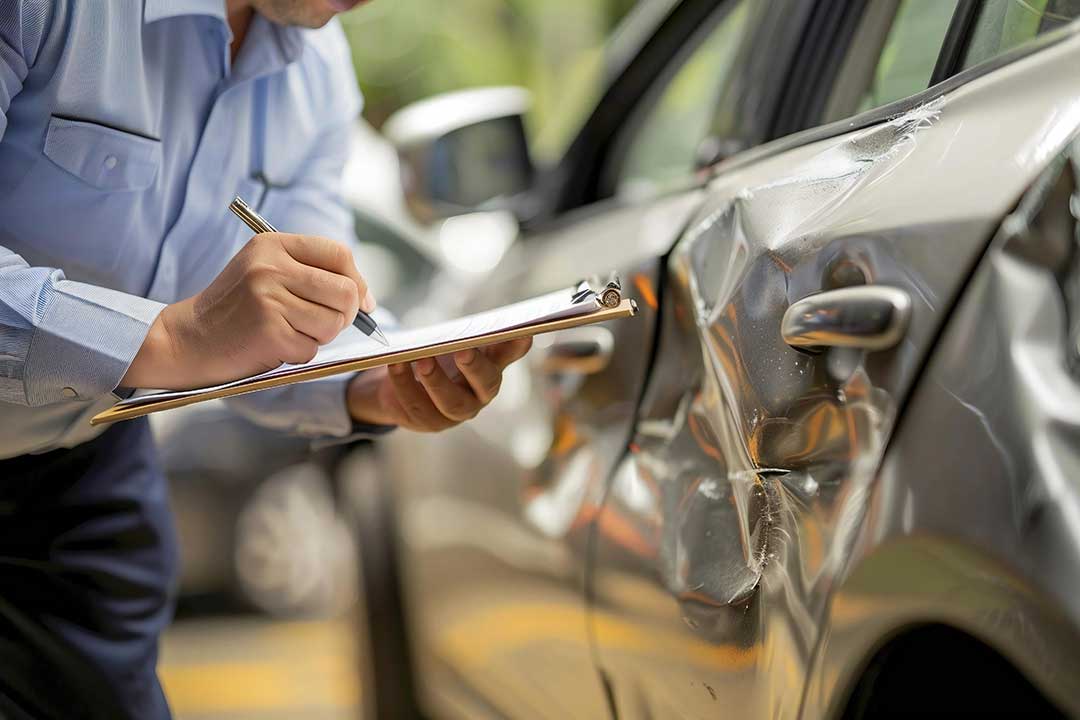
An insurance policy cannot prevent damage, and coverage does not eliminate the need for prompt reporting or reasonable steps to prevent further loss.
What should happen after hail or weather damage?
Document the condition of the vehicle as soon as it is safe. Take clear photographs of the overall vehicle, individual dents, cracked glass, broken lights, damaged trim, and any debris that caused the loss. Include photographs of the surrounding area when they help explain what happened.
Avoid washing, polishing, or attempting repairs before the damage is documented. Keep receipts for emergency steps, such as temporary glass protection or towing, and write down the approximate date, time, and weather conditions.
Do not drive the vehicle if the windshield is badly cracked, visibility is impaired, lights are broken, the hood will not close securely, or loose parts could detach. A damaged vehicle may be unsafe even when it still starts and moves.
Hail damage can be difficult to see in low light, under dirt, or on textured surfaces. Inspect the roof, hood, trunk, fenders, doors, mirrors, lights, and glass. Look for shallow dents, chipped paint, broken seals, and water entering the cabin.
Are hail-damaged vehicles always unsafe to drive?
Not necessarily. Cosmetic dents may not affect drivability, but damage to glass, lights, cameras, sensors, body panels, or structural components can create safety problems. Modern vehicles may rely on equipment mounted behind bumpers, grilles, windshields, or mirrors. Even when a sensor appears intact, its alignment may need to be checked after an impact.
A vehicle should not be driven if damage affects steering, braking, visibility, tire clearance, door operation, or the secure attachment of exterior parts. In less serious cases, driving slowly to a safe location may be possible, but the condition should be assessed carefully.
What local conditions deserve extra attention?
Households in Kalispell often manage several weather risks across the year rather than a single storm season. Spring and summer storms can bring hail and wind. Winter can produce heavy snow, ice, and freezing temperatures. Rapid changes between melting and refreezing can leave driveways and parking areas slick while placing additional stress on vehicle surfaces.
Parking habits matter. A vehicle kept beneath mature trees may be shaded during warm weather, but dead limbs and accumulated snow can increase the risk of falling-object damage. A clear driveway may be safer than a location where runoff, branches, or roof snow can reach the vehicle.
Keeping a basic storm kit in the vehicle can also help. Useful items include a flashlight, gloves, a soft snow brush, an ice scraper, water, and a phone charging cable. Preparation will not prevent every loss, but it can reduce avoidable damage and make it easier to respond safely when conditions change.